
Regina Lemnitz
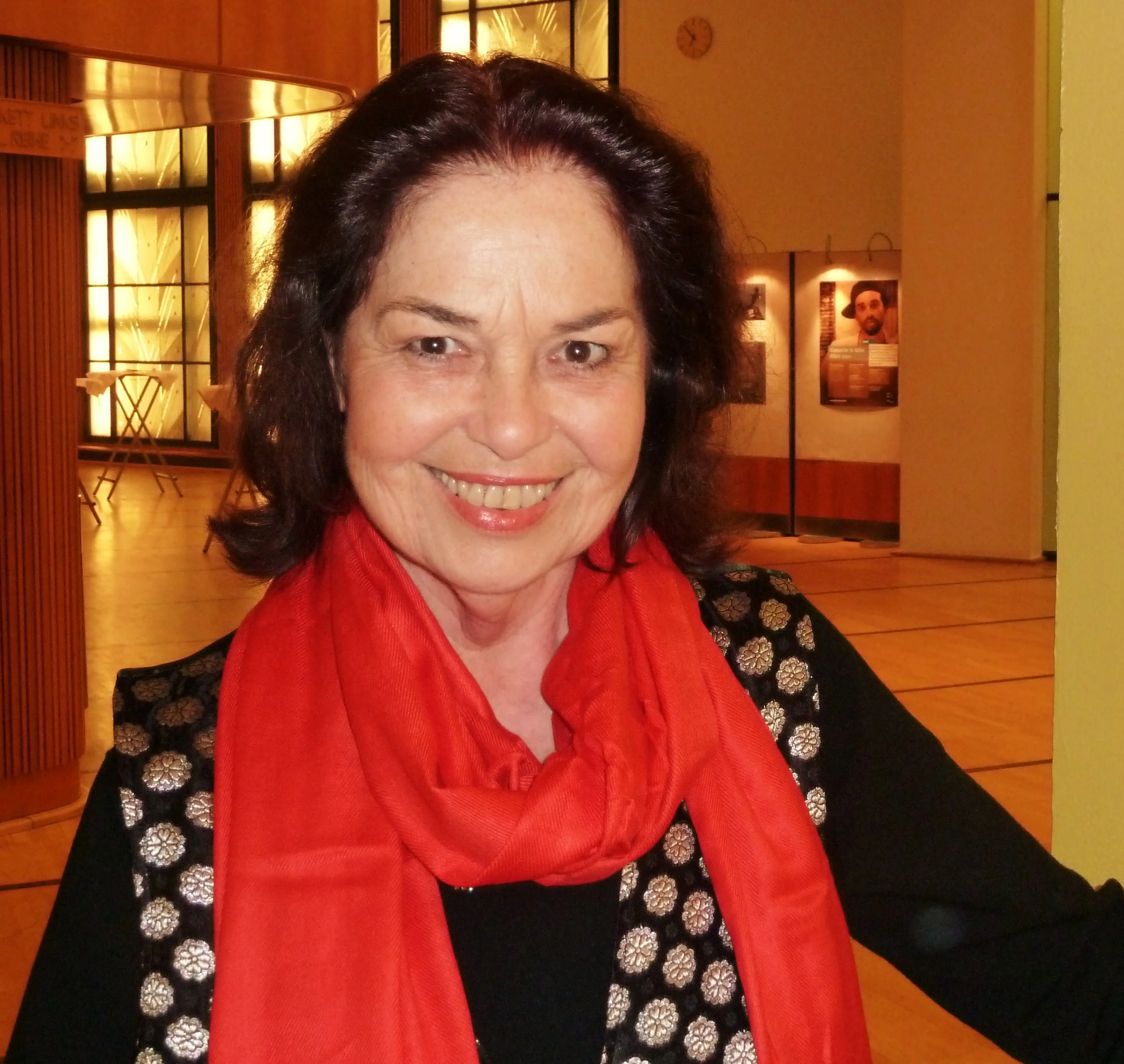
Image from Wikipedia
Image from Wikipedia
Regina Lemnitz: The Great Voice Between Stage, Camera, and Microphone
An Exceptional Artist with Theatrical Glamour, Vocal Strength, and Musical Presence
Regina Lemnitz, born on September 22, 1946, in Berlin, is one of those artists whose impact extends far beyond a single discipline. She is a theater actress, performer, singer, as well as a dubbing, radio play, and audiobook speaker – and it is precisely in this versatility that her special radiance lies. Her artistic career combines acting, musical stage work, and a distinctive voice that has been a defining sound in the German-speaking entertainment realm for decades. ([de.wikipedia.org](https://de.wikipedia.org/wiki/Regina_Lemnitz))
Biographical Roots and Artistic Education
The foundation of her career was laid by Lemnitz with a solid education at the Max Reinhardt School in Berlin, where she studied acting, dance, and singing. This triple training continues to shape her stage work today: presence, timing, and musical sensitivity seamlessly intertwine in her performances. This early influence explains why she excelled in both classical roles and musical parts, as well as later in dubbing work. ([sprecherdatei.de](https://www.sprecherdatei.de/synchronschauspieler/sprecher/regina_lemnitz.php?utm_source=openai))
Starting in 1965, she appeared in film and television productions, while simultaneously developing an intense theater career. From 1968, she took on engagements at venues such as the Stadttheater Hildesheim, the Staatstheater Nürnberg, the Münchner Kammerspiele, and as part of the Salzburg Festival. These stops showcase an artist who established herself early on in demanding ensembles and systematically expanded her expressiveness. ([de.wikipedia.org](https://de.wikipedia.org/wiki/Regina_Lemnitz))
Theater Career: From Classical Acting to Musical
On stage, Regina Lemnitz shaped a repertoire that ranges from drama to operetta to musical. She made her debut in Chekhov's The Cherry Orchard as Varya and later took on the title role in Shirley Valentine, impressing as a soloist in a one-woman show. It is this range that makes her stage presence so remarkable: she can illuminate characters psychologically while simultaneously carrying them with musical ease. ([de.wikipedia.org](https://de.wikipedia.org/wiki/Regina_Lemnitz))
Since 1968, she has taken on numerous leading musical roles, including in My Fair Lady, The Man of La Mancha, Parisian Life, The White Horse Inn, Freudiana, and The Threepenny Opera. These roles not only mark a broad genre spectrum but also showcase a voice with depth, clarity, and character. Lemnitz confidently navigates between entertainment, classical musical theater, and interpretative precision. ([de.wikipedia.org](https://de.wikipedia.org/wiki/Regina_Lemnitz))
Her musical expertise became especially evident in Cabaret, where she performed as Fraulein Schneider – among others in St. Gallen, at Bar jeder Vernunft, and since 2010 at TIPI am Kanzleramt, with a return in 2025. Additionally, from 2009 to 2010, she played Maria Wartberg in Udo Jürgens’ I’ve Never Been to New York at the Hamburger Operettenhaus. Such productions showcase Lemnitz as an experienced interpreter of popular musical theater forms with strong stage authority. ([de.wikipedia.org](https://de.wikipedia.org/wiki/Regina_Lemnitz))
Since January 2013, she has been part of the ensemble of the musical Villa Sonnenschein at the Hamburger Schmidt Theater as Carlotta von Pörtschach. Here too, her profile as a reliable ensemble artist is confirmed, carrying a production with comedic instinct, experience, and vocal presence. Her career is thus not confined to a single aesthetic but thrives on change, continuity, and remarkable stylistic discipline. ([de.wikipedia.org](https://de.wikipedia.org/wiki/Regina_Lemnitz))
Dubbing Work: The Voice Shaping Hollywood in Germany
Regina Lemnitz is particularly well-known as the German voice of major Hollywood actresses. She is especially closely associated with Whoopi Goldberg, whom she has predominantly dubbed; since Misery, she has also been the German voice of Kathy Bates, and since The Devil’s Own, of Roseanne Barr. Her work in dubbing is thus more than mere voice performance: it is voice interpretation, character portrayal, and rhythmic translation all at once. ([de.wikipedia.org](https://de.wikipedia.org/wiki/Regina_Lemnitz))
The expertise of the industry is reflected in her 2003 nomination for the German Dubbing Award for her dubbing of Kathy Bates in About Schmidt. Such recognition attests to her precise work on tone, timing, and emotional nuance. Those who know her voice are familiar with a piece of German dubbing culture. ([de.wikipedia.org](https://de.wikipedia.org/wiki/Regina_Lemnitz))
Audiobook, Radio Play, and Literary Interpretation
In the audiobook and radio play sector, Lemnitz has built an impressive profile. Argon Verlag describes her voice as a guarantee of great entertainment; she is listed as a speaker who, alongside her dubbing work, has recorded novels by Katharina Hagena and Margaret Atwood. Der Audio Verlag refers to her as an artist who is featured in a variety of radio plays and audiobook productions. This expands her repertoire to include a literary dimension, where voice, atmosphere, and text comprehension are central. ([argon-verlag.de](https://www.argon-verlag.de/autorinnen-stimmen/regina-lemnitz-2002152))
Lemnitz is notably present in productions surrounding The Ring of the Nibelung, The Phantom of the Opera, and The Jungle Book. She has been connected with selected children's stories and tales at Ohrenbär for years, underscoring her range between challenging literature and family-friendly storytelling culture. Her voice conveys stories with warmth, authority, and a strong sense of character colors. ([der-audio-verlag.de](https://der-audio-verlag.de/sprecher/lemnitz-regina/))
Current Projects and Recent Releases
Even in the later stages of her career, Regina Lemnitz remains active. Argon features her with the audiobook Happiness, centered on Tina Turner’s life story, and also points to further recent recordings. Der Audio Verlag lists her in recent radio play productions, including Wagner adaptations and other literary materials. This demonstrates an artist who does not dwell in nostalgia but instead continues to be present in contemporary audio formats. ([argon-verlag.de](https://www.argon-verlag.de/autorinnen-stimmen/regina-lemnitz-2002152))
Additionally, she will return to Cabaret in 2025, confirming her ongoing stage presence. Such revivals are especially significant for experienced stage personalities, as they illustrate how consistent her presence, style, and impact on audiences have remained. Lemnitz thus continues to be a vibrant figure in German-speaking musical theater and voice acting. ([de.wikipedia.org](https://de.wikipedia.org/wiki/Regina_Lemnitz))
Discography, Reception, and Cultural Significance
A classical discography in terms of album releases is less central for Regina Lemnitz than for singer-songwriters or solo singers. Her work is anchored more in theater programs, radio play series, audiobooks, and dubbing roles. This is precisely where her cultural significance lies: she represents a form of artistic continuity that is defined not by charts, but by presence, recognizability, and quality. ([de.wikipedia.org](https://de.wikipedia.org/wiki/Regina_Lemnitz))
The reception of her work draws from various areas of cultural production. In theater, she excelled in musical classics and speaking roles, in dubbing she shaped the German perception of international stars, and in audiobooks, she created a lasting connection between literature and voice. This versatility makes her an authority in the performing arts, whose influence is deeply rooted in the daily lives of many media consumers. ([de.wikipedia.org](https://de.wikipedia.org/wiki/Regina_Lemnitz))
The Special Quality of Regina Lemnitz
Regina Lemnitz embodies a rare blend of stage routine, vocal authority, and emotional directness. Her music career and acting career do not run parallel to each other but interlock: singing, character work, and spoken art form a cohesive artistic system. It is because of this that she appears credible, robust, and unique in every form of representation. ([de.wikipedia.org](https://de.wikipedia.org/wiki/Regina_Lemnitz))
Her cultural influence lies in the reliability of a voice that has accompanied generations of viewers, listeners, and theater-goers. She is one of those artists whose work is convincing less through loud self-presentation and more through substance, precision, and long-term impact. Anyone wishing to understand German dubbing culture, musical history, and radio play tradition must not overlook Regina Lemnitz. ([de.wikipedia.org](https://de.wikipedia.org/wiki/Regina_Lemnitz))
Conclusion: Regina Lemnitz is exciting because she embodies the rare connection of theatrical intelligence, musical experience, and one of the most distinctive voices in the country. Her career demonstrates how substantial an artist’s biography can become when technique, expression, and discipline meet. Those who experience her stage presence or voice live encounter an exceptional artist who has not only accompanied German cultural history but helped shape it. ([de.wikipedia.org](https://de.wikipedia.org/wiki/Regina_Lemnitz))
Official Channels of Regina Lemnitz:
- Instagram: no official profile found
- Facebook: no official profile found
- YouTube: no official profile found
- Spotify: no official profile found
- TikTok: no official profile found