
Sherlock Holmes
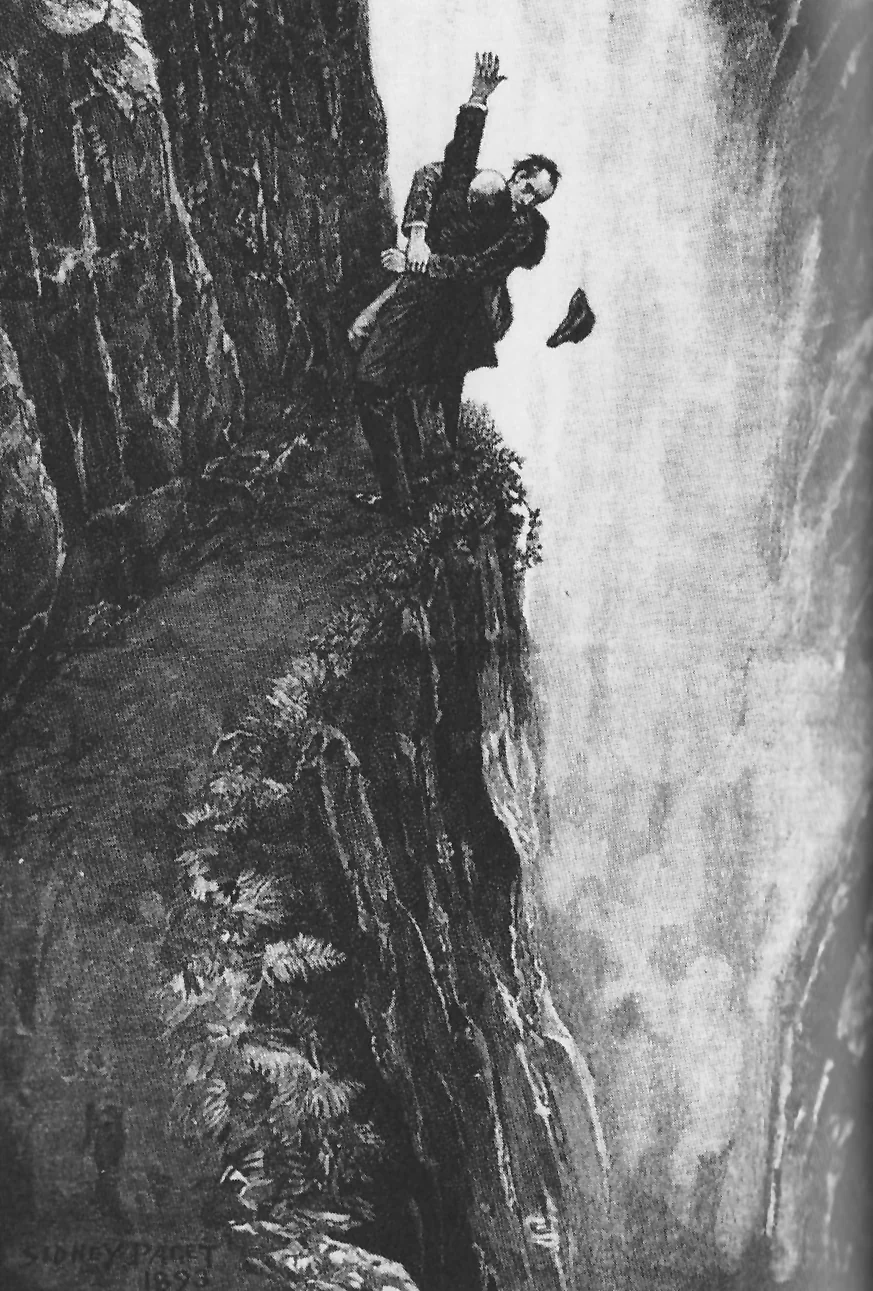
Image from Wikipedia
Image from Wikipedia
Sherlock Holmes: The Immortal Figure of Detective Literature
The Master of Deduction, Shaping Literature and Pop Culture Today
Sherlock Holmes is not a musical figure but one of the most impactful characters in world literature: a detective created by Arthur Conan Doyle in 1886, whose analytical brilliance, forensic methodology, and uncompromising logic have made him the archetype of the modern investigator. In the original stories and novels, Holmes appears as a keen observer while Dr. Watson relays the cases as a chronicler, thus providing access for the audience. The canon includes four novels and 56 short stories and remains one of the most quoted text corpora in crime literature to this day. (en.wikipedia.org)
Biographical Origins: Arthur Conan Doyle as the Creator of a Literary Myth
The character first appeared in 1887 in A Study in Scarlet and rapidly became a cultural phenomenon with A Scandal in Bohemia and the subsequent Strand Magazine stories. Doyle did not develop Holmes as a mere puzzle machine but as a figure characterized by methodological rigor, social idiosyncrasy, and an unmistakable presence in Victorian London. This very blend of scientifically tinged observation, narrative elegance, and charismatic distance made Holmes the prototype of the master detective. (en.wikipedia.org)
The significance of the figure grew because Doyle wrote the stories in a way that tightly interwove suspense, character development, and case logic. Watson acts as a mediator between extraordinary intelligence and readable narration, making Holmes both remote and approachable. This construction fundamentally explains the enduring impact of the character: Sherlock Holmes is as much a literary figure as a model of thought. (britannica.com)
The Literary Breakthrough and the Formation of the Canon
Holmes was primarily canonized through the 56 short stories and four novels published between 1887 and 1927. The stories were initially published in magazines, thus shaping an early form of serialized suspense that brought readers back to Baker Street at regular intervals. The character became a focal point of popular reading culture and an inspiration for countless later investigator figures. (en.wikipedia.org)
Notably, Doyle had Holmes die in 1893 in The Final Problem, only to resurrect the character later under public pressure and strong response. The Return of Sherlock Holmes marked not only a literary comeback but also a rare moment where a fictional character was defended as a cultural asset during the author’s lifetime. This highlights the extraordinary emotional bond the audience had with Holmes even at the time of creation. (sherlockholmes.com)
Investigative Style: Observation, Deduction, and the Language of Forensics
Holmes’ method is based on sharp observation, sober analysis, and an almost musical precision in capturing the smallest details. Doyle's texts anchor the character in a forensic mindset that combines evidence, traces, and reconstructive logic. Therefore, Holmes brought the detective figure out of the realm of mere adventure closer to modern criminology. (britannica.com)
His appeal also arises from the tension between cool rationality and dramatic stage presence. Holmes is a character who deciphers entire lives with few observations, and this performance of thought is what makes him intriguing across generations. As a literary figure, he embodies not only enlightenment but also the myth of the person who orders chaos through intellect. (britannica.com)
Discography, Hits, and Charts? Sherlock Holmes as a Canon Rather Than Music Releases
Unlike a musician's biography, there is no discography, chart-topping hits, or album releases associated with Sherlock Holmes. The pivotal body of work is the literary canon composed of four novels and 56 short stories, organized into collections such as The Adventures of Sherlock Holmes, The Memoirs of Sherlock Holmes, The Return of Sherlock Holmes, His Last Bow, and The Case-Book of Sherlock Holmes. This structure replaces what a discography would depict in pop music: it organizes the development, scope, and reception of a corpus. (sherlockholmes.com)
The critical reception thus focuses on literary history, narrative technique, and cultural impact. Britannica describes Holmes as one of the most defining figures in crime literature, while the official canon sites highlight its classification in the public domain and the ongoing tradition of reading. The influence extends from classic crime novels to countless adaptations in film, theater, radio plays, and television. (britannica.com)
Cultural Influence: From Victorian Detective to Global Icon
Sherlock Holmes has long transcended a mere fictional character. He has become a symbol of the analytical-rational thinker and the archetype of the private detective, inspiring generations of writers and screenwriters. In this sense, Holmes shapes pop culture as strongly as a century artist would shape an entire genre: through recognizability, stylistic authority, and lasting reference. (en.wikipedia.org)
Current productions also keep the character alive. The official Holmes canon is presented on SherlockHolmes.com as a freely accessible, curated public domain collection, while new adaptations and variants like Young Sherlock, Watson, or Sherlock & Daughter continuously reinterpret the material. This enduring presence shows that Holmes has not become museum-like but continues to work as a narrative system. (sherlockholmes.com)
Current Projects and Releases: The Holmes Myth Continues to Evolve
For 2024 and 2025, search results mainly refer to new adaptations and ongoing care of the literary heritage rather than classical releases in the sense of music or albums. The official Holmes appearance emphasizes access to the canonical texts, while press reports and databases document new series and novels revolving around Holmes. These include a series announced for 2024 and a novel released in 2024 within the expanded Holmes universe. (sherlockholmes.com)
This presence shows: Sherlock Holmes is not a closed chapter but an continually activated cultural code. Each new interpretation confirms the robustness of the character that has circulated through literature, television, theater, and digital pop culture since the 19th century. This is where its unique authority lies. (sherlockholmes.com)
Conclusion: Why Sherlock Holmes Continues to Captivate
Sherlock Holmes fascinates because the character transforms logic into adventure and makes thinking a dramatic art form. Those who read Holmes do not just experience a crime case but witness the birth of modern deduction as a cultural event. Experiencing the myth live in an adaptation, reading, or performance introduces one to one of the most enduring figures in world literature, full of timeless suspense. (britannica.com)
Official Channels of Sherlock Holmes:
- Instagram: No official profile found
- Facebook: No official profile found
- YouTube: No official profile found
- Spotify: No official profile found
- TikTok: No official profile found