
Jan Simowitsch
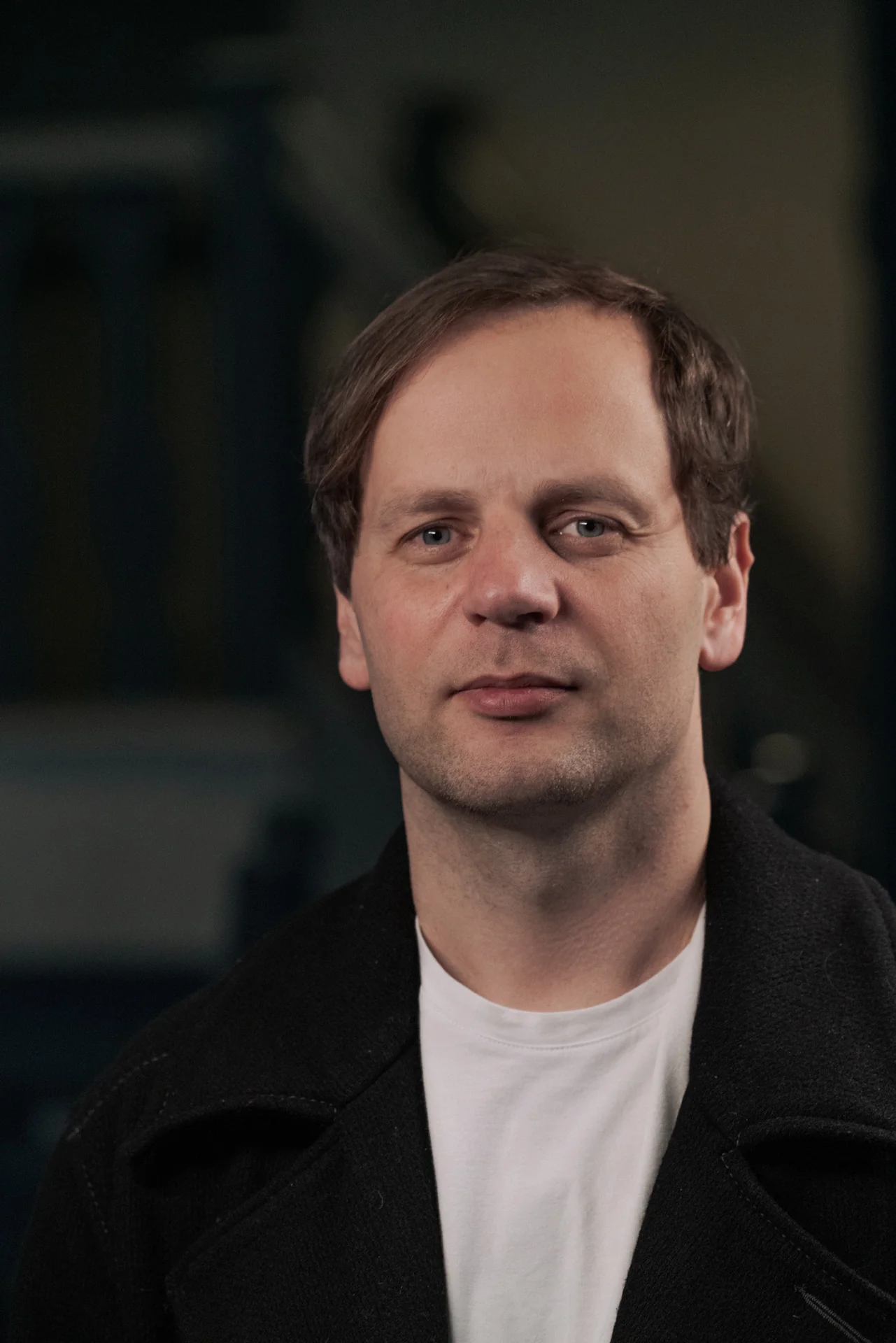
Image from Wikipedia
Image from Wikipedia
Jan Simowitsch: The Pianist, Composer, and Word Artist Between Sea, Pop, and Sacred Sound Worlds
An Artist Who Combines Music, Language, and Ritual into a Distinctive Signature
Jan Simowitsch, born on March 24, 1980, in Rostock, is one of those German musicians who cannot be reduced to a single genre. As a pianist, composer, music producer, and author, he moves confidently between piano music, pop songs, choral compositions, literary language, and church music practice. His biography showcases an artist who understands musical development not as a rigid career path but as a vibrant process between stage, text, and social engagement. ([de.wikipedia.org](https://de.wikipedia.org/wiki/Jan_Simowitsch?utm_source=openai))
Biographical Roots: Rostock, Studies, and the Path to Popular Music
After studying piano at the University of Music and Theatre in Rostock, Jan Simowitsch took a position as a church musician focusing on popular music in Bad Segeberg. This entry point early on marked the connection between piano training, sonic openness, and church music practice that would shape his later work. Instead of positioning himself within a classical concert framework, he developed an artistic identity that consciously intertwines pop, liturgy, and compositional work. ([jan-simowitsch.de](https://jan-simowitsch.de/uber-mich/))
His time as a consultant and leader for popular music in the North Church was particularly formative: From 2016 to 2024, he shaped the musical and liturgical development of the Protestant Church as the head of the Pop Institute. This was complemented by the development of the music platform Dock III Records in collaboration with Ulf Werner and the implementation of the monthly song project with a team. These roles demonstrate a musician who not only creates works but also builds structures for contemporary church music. ([jan-simowitsch.de](https://jan-simowitsch.de/uber-mich/))
Career Profile: Between Choir Direction, Concert Readings, and Musical Direction
Jan Simowitsch views music as a live experience and a form of dialogue. On his artist page, he describes himself as a musician, author, and ritual expert; in his concerts, he performs his own compositions and reads texts, allowing sound and language to merge into a shared dramaturgy. This connection gives his performances a unique stage presence: they are not only musical but also atmospheric and narrative. ([jan-simowitsch.de](https://jan-simowitsch.de/))
His role extends beyond the solo program. For the closing service of the German Protestant Church Congress 2025 in Hanover, he took on the overall musical direction together with Sarina Lal; in February 2026, he was an artist in residence in Tjørnuvík in the Faroe Islands. These current positions show that his music career remains dynamic and continues to develop internationally and institutionally. ([jan-simowitsch.de](https://jan-simowitsch.de/uber-mich/))
Compositional Core: Piano Cycles, Choral Works, and Sacred Pop Music
As a composer, Simowitsch works across a remarkably broad stylistic range. His website features piano music, pop songs, choral music, commissioned compositions, and film music; numerous works have also emerged in the realm of church popular music. Particularly noteworthy are the piano cycles, which make his Nordic-influenced tonality audible, and the choral works that navigate between jazz oratorio, big band sound, and liturgical function. ([jan-simowitsch.de](https://jan-simowitsch.de/komponist/?utm_source=openai))
Among his best-known works are the jazz oratorio MARIA, the cantatas and oratorios Die letzte Flut, Am Ende – Jona, and Bornhœved, as well as other choral pieces like Ruth – Fremd in der Fremde or Home – Songs of longing, leaving and finding home. He has also developed a clear profile in the field of pop songs: in the monthly song project, Du im Himmel and Du bettest die Toten are considered particularly distinctive. ([jan-simowitsch.de](https://jan-simowitsch.de/komponist/?utm_source=openai))
Discography: Albums, EPs, and a Clear Profile in Piano and Choir
The discography of Jan Simowitsch showcases a consistently developed artistic evolution. On Spotify, albums include Windflüchter – Werden und Verwehen (2021), Piteraq (2022), Sundevit (2023), Høyer – A Night at the Sea (2023), Tiefenklang – Gesang der in die Ruhe führt (2024), Depenklang (2025), and the single Still, still, still (2025). Additionally, shorter formats such as Tiefenklang – Klaviermusik and Kinnekulle sommar – Sommer illustrate his work between meditative piano playing and thematically focused composition. ([open.spotify.com](https://open.spotify.com/artist/6iKlAWk3o69Hpa0YT5UErC?utm_source=openai))
Recent releases also affirm this dynamism. Apple Music lists the album Von Sternen und Träumen, with a release date of January 16, 2026. In conjunction with the Spotify discography, this creates the image of an artist who regularly produces new music and has refined his piano aesthetics over the years. ([music.apple.com](https://music.apple.com/us/album/von-sternen-und-tr%C3%A4umen/1858856763?utm_source=openai))
Style and Musical Development: Nordic, Lyrical, Open to Pop and Liturgy
Simowitsch's style is characterized by clarity, expansiveness, and inner peace. He describes his piano music as Scandinavian-inspired; sea, nature, starkness, and longing feature as central points of reference. This imagery also appears in his programs, such as Jan und das Meer, Skandinavischer Klavierabend, and Piano, Pop und Prosa, which blend music and text into a dramatic unity. ([jan-simowitsch.de](https://jan-simowitsch.de/jan-simowitsch-3/?utm_source=openai))
His musical development is marked not only by aesthetic considerations but also by formal ones. He works with piano cycles, choral arrangements, songwriting, commissioned texts, and ritual-related formats. The combination of composition, production, and authorship creates an artist who can be perceived as a border crosser within the German music scene, bridging concert, church, and literature. ([jan-simowitsch.de](https://jan-simowitsch.de/komponist/?utm_source=openai))
Cultural Influence and Reception: Church, Public, and Contemporary Popular Music
Jan Simowitsch has positioned himself sustainably in the field of church popular music. As the head of the Pop Institute of the North Church and as a consultant for popular music, he has shaped education, liturgical practice, and the dissemination of contemporary music in church contexts. He also writes for specialized media such as Musik + Message and the Evangelische Zeitung, which further solidifies his authority as a music-related author. ([jan-simowitsch.de](https://jan-simowitsch.de/uber-mich/))
His creative environment is also clearly established: Releases are published by Strube Verlag, Bene! Verlag, as well as in the digital realm of Dock III Records and spirit-and-groove.de. Hence, his work operates at the intersection of independent production, church cultural work, and journalistic visibility. This combination makes him intriguing for music lovers seeking not just songs but also artistic attitude and substantive depth. ([strube.de](https://www.strube.de/komponist/jan-simowitsch/?utm_source=openai))
Why Jan Simowitsch Remains Relevant Today
Jan Simowitsch is fascinating because he understands music not merely as a product but as a cultural space. His piano pieces, choral works, and texts carry a clear signature: Nordic, poetic, reflective, and simultaneously open to pop, liturgy, and societal resonance. Those who experience him live hear not only a pianist but an artist who intertwines composition, language, and atmosphere into an intense evening. ([jan-simowitsch.de](https://jan-simowitsch.de/jan-simowitsch-3/?utm_source=openai))
It is precisely in the combination of musical precision and narrative depth that his strength lies. Jan Simowitsch invites listeners to rediscover piano music and sacred popular music: not as a niche but as a vibrant, contemporary form of art. His concerts and readings merit attention because they create closeness, open thoughts, and transform the stage into a place of genuine encounter. ([jan-simowitsch.de](https://jan-simowitsch.de/jan-simowitsch-3/?utm_source=openai))
Official Channels of Jan Simowitsch:
- Instagram: https://www.instagram.com/
- Facebook: no official profile found
- YouTube: no official profile found
- Spotify: https://open.spotify.com/artist/6iKlAWk3o69Hpa0YT5UErC
- TikTok: no official profile found
Sources:
- Jan Simowitsch – Biography
- Jan Simowitsch – Musician, Author & Ritual Expert
- Jan Simowitsch – Composer
- Jan Simowitsch – Pop Songs
- Jan Simowitsch – Jan and the Sea
- Jan Simowitsch – Pianist
- Jan Simowitsch – Author
- Spotify – Jan Simowitsch
- Apple Music – Von Sternen und Träumen
- Wikipedia: Jan Simowitsch