
Emanuel Schikaneder
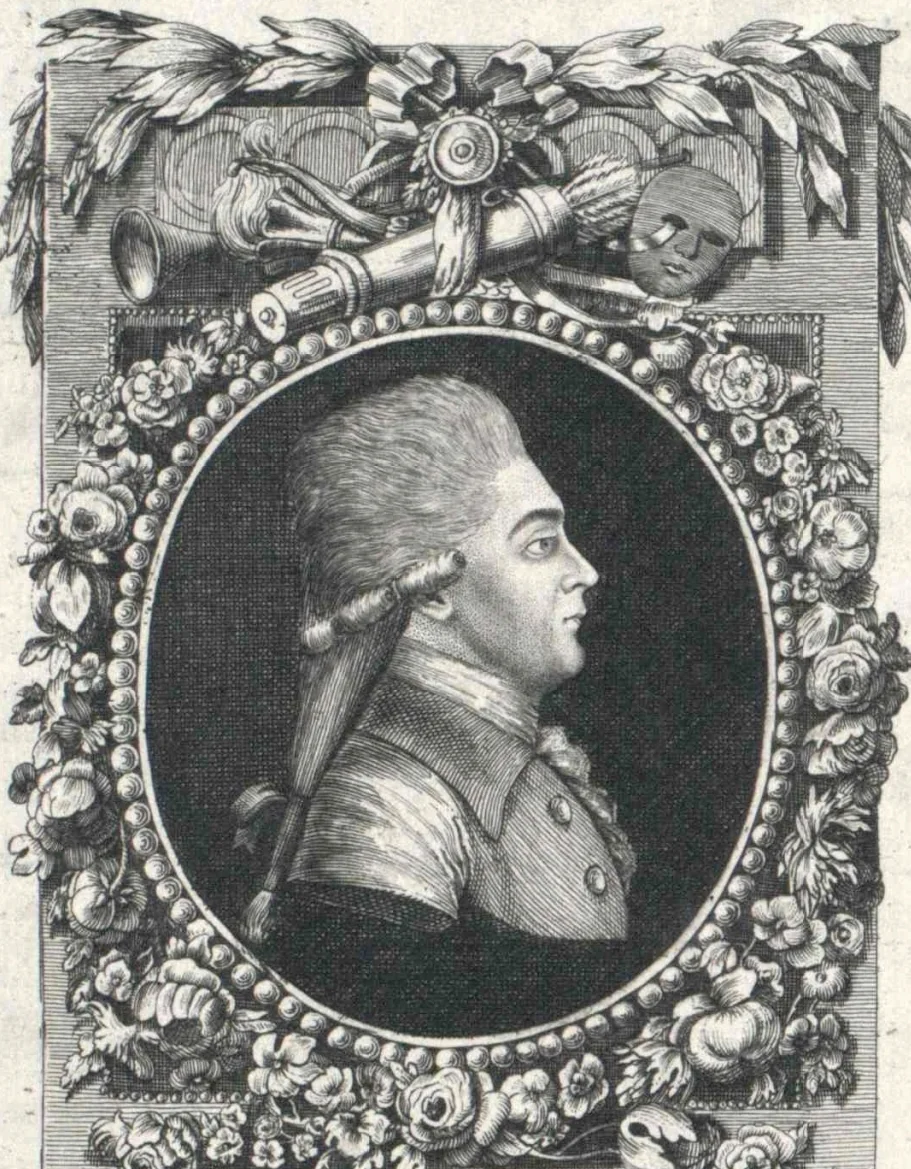
Image from Wikipedia
Image from Wikipedia
Emanuel Schikaneder: The Theater Wizard Behind Mozart's The Magic Flute
An Extraordinary Stage Artist Between Traveling Troupe, Opera Magic, and Theater History
Emanuel Schikaneder, also known as Emanuel Schickaneder, originally Johann Joseph Schickeneder, was one of the most dazzling theater personalities of the 18th century. Born on September 1, 1751, in Straubing and died on September 21, 1812, in Vienna, he worked as an actor, singer, director, poet, and theater director. His name remains synonymous with artistic versatility that significantly shaped the musical theater of the Viennese Classical era. ([deutsche-biographie.de](https://www.deutsche-biographie.de/sfz78295.html?utm_source=openai))
Schikaneder was not a specialist with a narrow signature but a theater practitioner with an instinctive sense for the audience, impact, and dramaturgy. He wrote over 100 plays and libretti, and also composed his own operas. It was this combination of poetic productivity, stage experience, and entrepreneurial courage that made him a defining figure in German-language theater and opera history. ([deutsche-biographie.de](https://www.deutsche-biographie.de/sfz78295.html?utm_source=openai))
Origins and Early Influence
Schikaneder's path to the stage did not begin in privileged circumstances, but in a life characterized by early employment and mobility. According to biographical data from the German Biography, he was the youngest of twelve siblings and had to earn a living by singing and playing the violin as a child. This early connection to music, theater, and life practice shaped an artist who knew stage reality not from a distance, but from personal experience. ([deutsche-biographie.de](https://www.deutsche-biographie.de/sfz78295.html?utm_source=openai))
His entry into the world of theater began with traveling troupes, precisely that form of stage operation which demanded spontaneity, adaptability, and direct contact with the audience. The journey from a young musician to a sought-after theater man shows a comet-like artistic development fueled by talent, energy, and organizational skills. In contemporary and later portrayals, he therefore appears as a genuine “vagabond nature” of the theater. ([deutsche-biographie.de](https://www.deutsche-biographie.de/sfz78295.html?utm_source=openai))
The Rise to Theater Director
A decisive step in Schikaneder's career was his role as a principal and theater director. After Emperor Joseph II denied him the establishment of a theater on the glacis, he moved to Regensburg in 1787; from 1789 onwards, he worked again in Vienna and led the Freihaustheater on the Wieden. There, he staged numerous comedy and opera pieces and developed a repertoire that combined popular appeal with musical theater. ([austria-forum.org](https://austria-forum.org/af/AEIOU/Schikaneder%2C_Emanuel?utm_source=openai))
To Schikaneder, managing a theater was not just administration but creative overall responsibility. He wrote texts, organized performances, acted himself, and thus shaped a modern form of theater-making in which author, performer, and director intertwine. Contemporary critics did not always receive this spectacular stage work unanimously, yet it was precisely the blend of effect, imagination, and audience proximity that defined his rank. ([welt.de](https://www.welt.de/print-welt/article473465/Aufstieg-und-Fall-eines-Straubinger-Theatermachers.html?utm_source=openai))
The Magic Flute and the Great Breakthrough
Schikaneder became immortal through his connection to Wolfgang Amadeus Mozart and the singspiel The Magic Flute from 1791. The libretto was written by Schikaneder, and at the premiere at the Theater auf der Wieden, he himself played Papageno. This dual role as text author and stage figure encapsulated everything about his art: theatrical instinct, linguistic imagination, and the ability to bring characters to life immediately. ([austria-forum.org](https://austria-forum.org/af/AEIOU/Schikaneder%2C_Emanuel?utm_source=openai))
The Magic Flute became the central reference point of his posthumous fame, but Schikaneder's significance goes far beyond that. His libretto connected popular entertainment theater with symbolic themes, partially interpretable in a Masonic and esoteric manner. In this, he stood at an intersection where Viennese singspiel, opera reform, and audience-effective stage language meet. ([treccani.it](https://www.treccani.it/enciclopedia/emanuel-schikaneder/?utm_source=openai))
Works, Libretti, and Creative Productivity
Schikaneder's oeuvre was enormous. He wrote over 100 plays and libretti, including numerous works for the Viennese theater practice between late Enlightenment and early Biedermeier forms. Musicological reference works mention titles such as The Philosopher's Stone, The Magic Flute, and other pieces from his circle, demonstrating his productive approach to forms of magical, folk, and singspiel. ([en.wikisource.org](https://en.wikisource.org/wiki/A_Dictionary_of_Music_and_Musicians/Schikaneder%2C_Emmanuel?utm_source=openai))
Particularly noteworthy is that Schikaneder not only wrote but also composed. This rare combination of literary and musical competence lent his works an immediate stage suitability. He thought in scenes, effects, and audience reactions, not just in texts, and therein lies a core of his artistic authority. ([deutsche-biographie.de](https://www.deutsche-biographie.de/sfz78295.html?utm_source=openai))
Musical Development and Stage Aesthetics
Musically, Schikaneder represents a theater that combines lightness and refinement. His pieces thrive on comedic directness, popular address, and a sense of musical dramaturgy oriented towards the needs of the house. The Freihaustheater auf der Wieden provided the space for a flexible, audience-friendly aesthetic where dialogue, song, and scene transitioned seamlessly. ([austria-forum.org](https://austria-forum.org/af/AEIOU/Schikaneder%2C_Emanuel?utm_source=openai))
His work as a performer enhanced this aesthetic signature. Someone who stands on stage thinks differently about rhythm, effect, and timing than a pure literary figure. Schikaneder's stage presence, his experience as a singer and actor, and his sensitivity to role impact made him a theater person in the broadest sense. ([deutsche-biographie.de](https://www.deutsche-biographie.de/sfz78295.html?utm_source=openai))
Vienna, Theater an der Wien, and Later Years
After his time on the Wieden, Schikaneder remained closely connected to the theatrical landscape in Vienna. A further significant step was the founding of the Theater an der Wien in 1801, which solidified his name as an integral part of Viennese cultural history. Although his career was marked by relocations and changing engagements, Vienna remained the central stage of his influence. ([treccani.it](https://www.treccani.it/enciclopedia/emanuel-schikaneder/?utm_source=openai))
The later years show an artist who continued to be active in theater practice until the end. Sources report further performances, directorial activities, and a repertoire that repeatedly revisited his earlier works. Even in 1811, he was celebrated with great applause as a basso buffo, according to the German Biography, which underlines the lasting presence of his stage persona. ([deutsche-biographie.de](https://www.deutsche-biographie.de/downloadPDF?url=sfz78296.pdf&utm_source=openai))
Cultural Influence and Posthumous Fame
Schikaneder's cultural influence lies in the rare combination of theatrical entrepreneurship and artistic imagination. He was not only the author of one of the most famous libretti in music history, but also an organizer of musical life who enabled new forms of popular music theater. His work represents that productive Viennese theater culture in which entertainment, symbolism, and musical storytelling forged a unique alliance. ([treccani.it](https://www.treccani.it/enciclopedia/emanuel-schikaneder/?utm_source=openai))
His posthumous fame has been continually updated through later literature, research, and cultural adaptations. In biographical portrayals, Schikaneder is often described as the “great theater man of the Mozart era,” and modern cultural-historical texts also emphasize his role as a pragmatic visionary. The film Amadeus and later musical adaptations further illustrate how firmly his name remains anchored in collective memory. ([treccani.it](https://www.treccani.it/enciclopedia/emanuel-schikaneder/?utm_source=openai))
Discography, Reception, and Historical Context
A discography in the modern sense does not exist for Schikaneder, but his work lives on in the preserved libretti and operatic and singspiel contexts. Particularly relevant remains his integration into works by Mozart as well as compositions by his musical contemporaries such as Wenzel Müller, Henneberg, Schack, Gerl, and others, as historical overviews of works show. Thus, a network of text, music, and stage arises that makes Schikaneder a pivotal point of Viennese music theater. ([en.wikisource.org](https://en.wikisource.org/wiki/A_Dictionary_of_Music_and_Musicians/Schikaneder%2C_Emmanuel?utm_source=openai))
The critical reception has always oscillated between admiration for his theatrical intuition and recognition of his historical weight. Contemporary criticism fluctuated between skeptical distance and enthusiastic acceptance, especially when Schikaneder worked with opulent, spectacular forms. This very tension makes him so exciting for music history: he was not an abstract classicist, but a practical inventor of stage moments. ([welt.de](https://www.welt.de/print-welt/article473465/Aufstieg-und-Fall-eines-Straubinger-Theatermachers.html?utm_source=openai))
Conclusion: Why Emanuel Schikaneder Continues to Fascinate Today
Emanuel Schikaneder fascinates because he did not think of theater, music, and storytelling as separate entities, but as a living unity. His career leads from the singing and violin-playing boy from Straubing to the defining theater director of the Viennese Classical era. Anyone who wants to understand the history of German-language music theater cannot overlook him. ([deutsche-biographie.de](https://www.deutsche-biographie.de/sfz78295.html?utm_source=openai))
His work on The Magic Flute, his enormous body of texts and stage works, and his sensitivity to the audience make him one of the most captivating figures in opera and theater history. Schikaneder remains a name representing artistic energy, inventiveness, and cultural impact. Those who examine his work today experience not just history, but the vibrant echo of an exceptional talent that one continually wishes to resurrect on stage. ([en.wikisource.org](https://en.wikisource.org/wiki/A_Dictionary_of_Music_and_Musicians/Schikaneder%2C_Emmanuel?utm_source=openai))
Official Channels of Emanuel Schikaneder:
- Instagram: No official profile found
- Facebook: No official profile found
- YouTube: No official profile found
- Spotify: No official profile found
- TikTok: No official profile found
Sources:
- Wikipedia - Emanuel Schikaneder
- Deutsche Biographie - Schikaneder, Emanuel
- Austria-Forum - Schikaneder, Emanuel
- Bezirksmuseen Wien - Emanuel Schikaneder
- BR-KLASSIK - Emanuel Schikaneder born
- WELT - The Rise and Fall of a Straubing Theater Maker
- Deutsche Biographie - Online Version PDF
- Treccani - Schikaneder, Emanuel