
Christoph Links
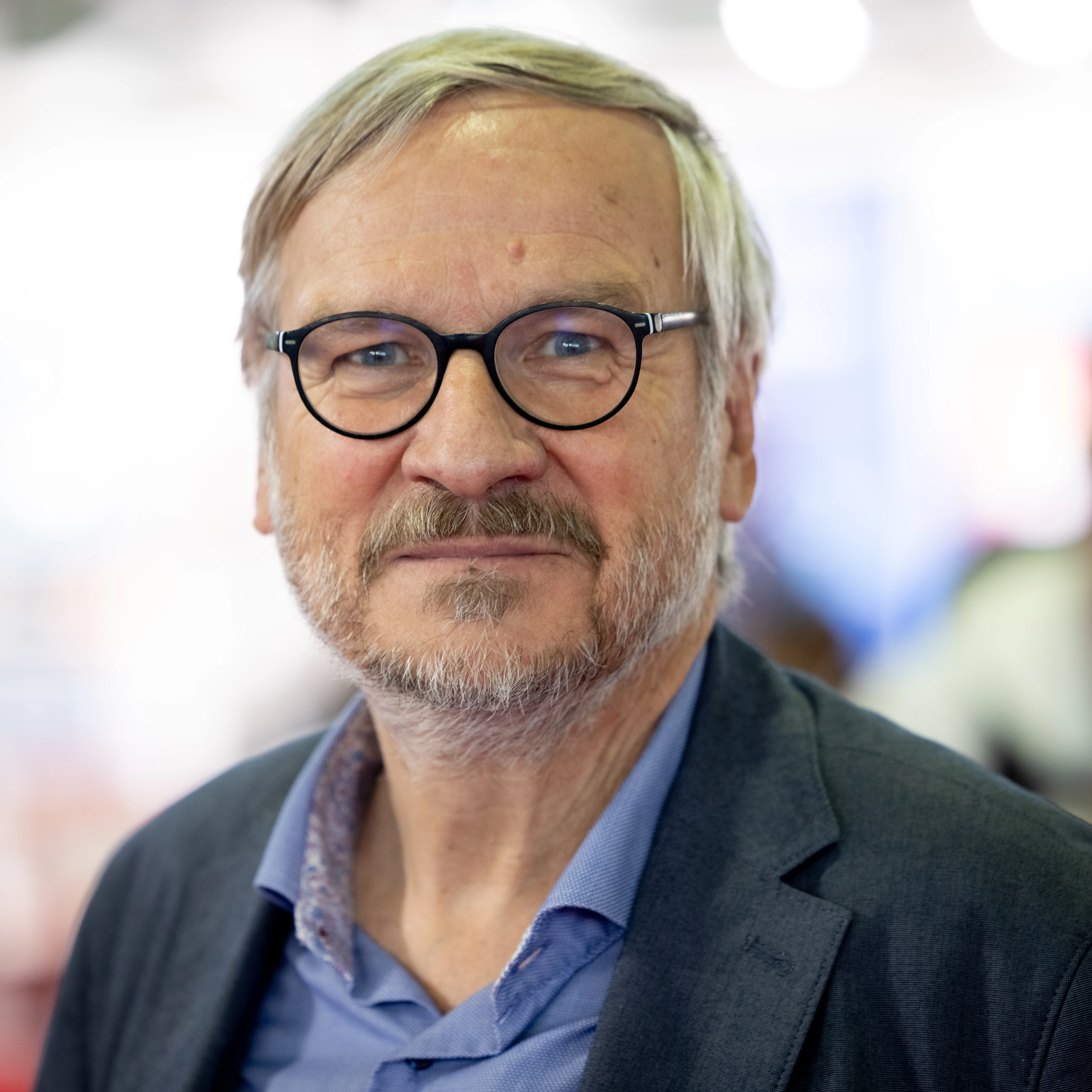
Image from Wikipedia
Image from Wikipedia
Christoph Links: Publishing Historian, Publicist, and Chronicler of East German Book Culture
A Life Between Literature, Contemporary History, and Editorial Independence
Christoph Links, born on September 15, 1954, in Caputh, is one of the most prominent voices in German publishing and contemporary history. He is known as a publisher, non-fiction author, and editor, but above all as the founder and longtime managing director of Ch. Links Verlag, which has been a mainstay for political and historical non-fiction since the reunification. His career intertwines editorial practice, publishing responsibility, and a precise historical perspective on the upheavals in East Germany. ([christoph-links.de](https://www.christoph-links.de/?utm_source=openai))
Early Influences and Academic Path
The biographical foundations of Christoph Links lie in an education and work history closely associated with the GDR. Between 1975 and 1980, he studied philosophy and Latin American studies in Berlin and Leipzig before transitioning to journalistic practice. From 1980 to 1986, he worked as a Latin America editor for the Berliner Zeitung while simultaneously writing non-fiction and literary reviews for the cultural magazine Sonntag. This combination of analytical education and journalistic experience has shaped his subsequent work to this day. ([christoph-links.de](https://www.christoph-links.de/?utm_source=openai))
The Step into Publishing: Founding as a Cultural-Historical Turning Point
From 1986 to 1989, Links served as an assistant to the management at Aufbau-Verlag in Berlin and Weimar, thereby already rooted in the center of the East German book world. Following the lifting of censorship on December 1, 1989, he founded “LinksDruck,” one of the first new private publishers in the GDR, which was incorporated as Ch. Links Verlag in 1991. The focus from the outset was on the politics and contemporary history of the 20th century, specifically on topics that gained significant journalistic weight during the upheaval of German reunification. ([christoph-links.de](https://www.christoph-links.de/?utm_source=openai))
The Ch. Links Verlag as a Trademark
The publishing house established by Christoph Links quickly became an important address for books about GDR history, German reunification, publishing history, and political memory culture. Aufbau Verlage describes the founding as the fruit of the “wonderful year of anarchy” following the fall of the Berlin Wall; at the same time, the publishing history points out that Ch. Links Verlag has consistently and courageously examined recent German history for decades. This profile has turned the publisher into a brand with high recognition value in the German-language non-fiction market. ([aufbau-verlage.de](https://www.aufbau-verlage.de/ch-links-verlag/ueber-uns?utm_source=openai))
Scholarship, Teaching, and Historical Authority
Christoph Links has developed not only as a publisher but also as a publishing historian with academic aspirations. In 2008, he earned his doctorate with a dissertation on “The Transformation of the East German Publishing Landscape in the Process of German Reunification,” thus connecting his publishing practice directly with his research. He was also involved in teaching positions and guest lectures at Humboldt University Berlin, Leipzig University, and the Academy for Technology, Business, and Culture in Leipzig. As a result, his work gained additional authority: he not only wrote about book and publishing history but also shaped it from the inside. ([christoph-links.de](https://www.christoph-links.de/?utm_source=openai))
Publications and Thematic Focus
Links has published numerous book and journal contributions on publishing history and the upheavals in East Germany, often in collaboration with Hannes Bahrmann. Current and recent titles include Disappeared Publishers: An Unexplored Chapter in East German Cultural History (1945–1990) and contributions to multi-volume projects on the history of the German book trade. The thematic line remains clear: Links works on reconstructing literary institutions, the mechanisms of censorship, transformation, and cultural memory. ([christoph-links.de](https://www.christoph-links.de/?utm_source=openai))
Role in Public Discourse
Christoph Links has also been strongly anchored institutionally. Since 1991, he has been a member of PEN Germany, served multiple times in the presidency, and has been engaged in the German Publishers and Booksellers Association, including on the supervisory board of the Frankfurt Book Fair and in the Historical Commission. These roles highlight his significance beyond his own publishing house: Links is a figure who shapes the discussions around freedom of expression, the book market, and historical responsibility. His work operates at the intersection of cultural policy, industry practice, and intellectual public discourse. ([christoph-links.de](https://www.christoph-links.de/?utm_source=openai))
Awards and Recognition
The publishing and historical work of Christoph Links has received multiple awards. Among the most important honors are the Federal Cross of Merit in 2011, the Order of Merit of the State of Berlin in 2019, being named Publisher of the Year by the industry magazine BuchMarkt in the same year, and the Rahel Varnhagen von Ense Medal in 2023. Such awards underline the authority of a publicist whose impact on German book and memory culture is of long-term importance. ([christoph-links.de](https://www.christoph-links.de/?utm_source=openai))
Musical Categorization? A Deliberately Inappropriate Framework
Even though this task originates from music journalism, Christoph Links does not fit into the classic artist biography of a musician. His actual "discography" consists not of albums or singles, but rather of non-fiction books, edited volumes, and publishing programs. This very difference defines his cultural relevance: Links represents that form of intellectual production work that operates behind the scenes but permanently shapes the cultural memory of a country. In an extended sense, his work thus possesses a media and cultural resonance comparable to the impact of a lasting catalog. ([christoph-links.de](https://www.christoph-links.de/?utm_source=openai))
Cultural Influence and Journalistic Signature
Christoph Links has significantly shaped the discourse surrounding GDR history, the transformation period after 1989, and the history of the book trade. His publishing house became a platform for historical reappraisal, critical diagnosis of the time, and carefully researched non-fiction. Particularly noteworthy is the continuity: from the early private publisher in the GDR to an established brand in the overall German publishing landscape, a line can be drawn that emphasizes independence, thematic clarity, and journalistic consistency. This is exactly where his cultural influence lies. ([aufbau-verlage.de](https://www.aufbau-verlage.de/ch-links-verlag/ueber-uns?utm_source=openai))
Conclusion: Why Christoph Links Remains Compelling
Christoph Links is a key figure in German publishing history because he does not just publish books but makes historical connections visible. His biography speaks of intellectual curiosity, journalistic perseverance, and the will to ensure that memory culture is not left to chance. Anyone who wants to understand how East German publishing history, political non-fiction literature, and cultural self-reflection are interconnected will find a central reference point in his work. Those who wish to experience his work live should look out for readings, lectures, and public discussions where Links directly conveys his historical perspective. ([christoph-links.de](https://www.christoph-links.de/?utm_source=openai))
Official Channels of Christoph Links:
- Instagram: no official profile found
- Facebook: no official profile found
- YouTube: no official profile found
- Spotify: no official profile found
- TikTok: no official profile found